
The complete guide
A Buyer's Guide to the Bee to Hive Sorting Game
A small task with room to learn
Finding an activity that gives a child something clear to do can be harder than it sounds. Some toys need a long explanation. Others offer so many choices that a child does not know where to begin. A color-matching game starts with a simpler question. Where does this piece belong?
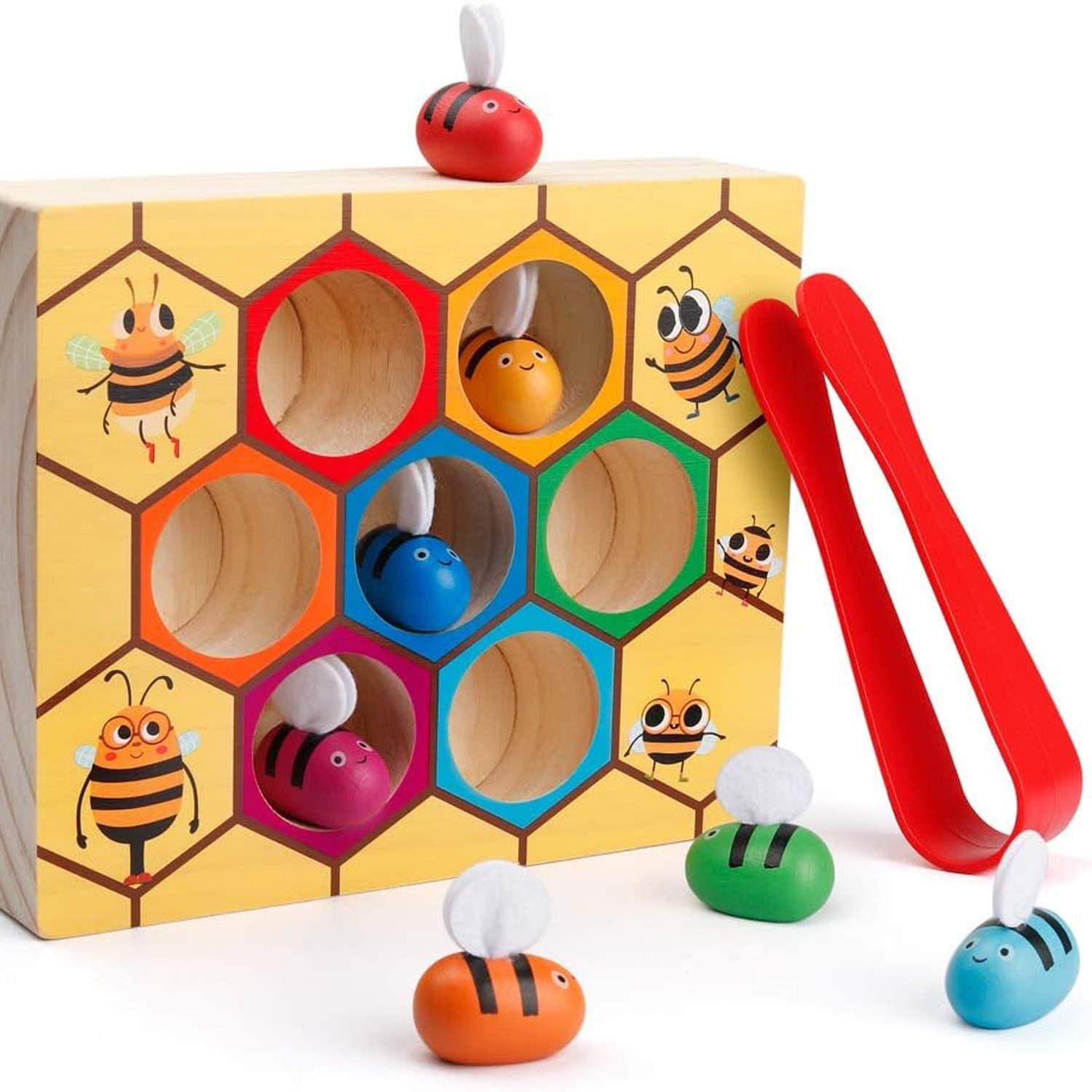
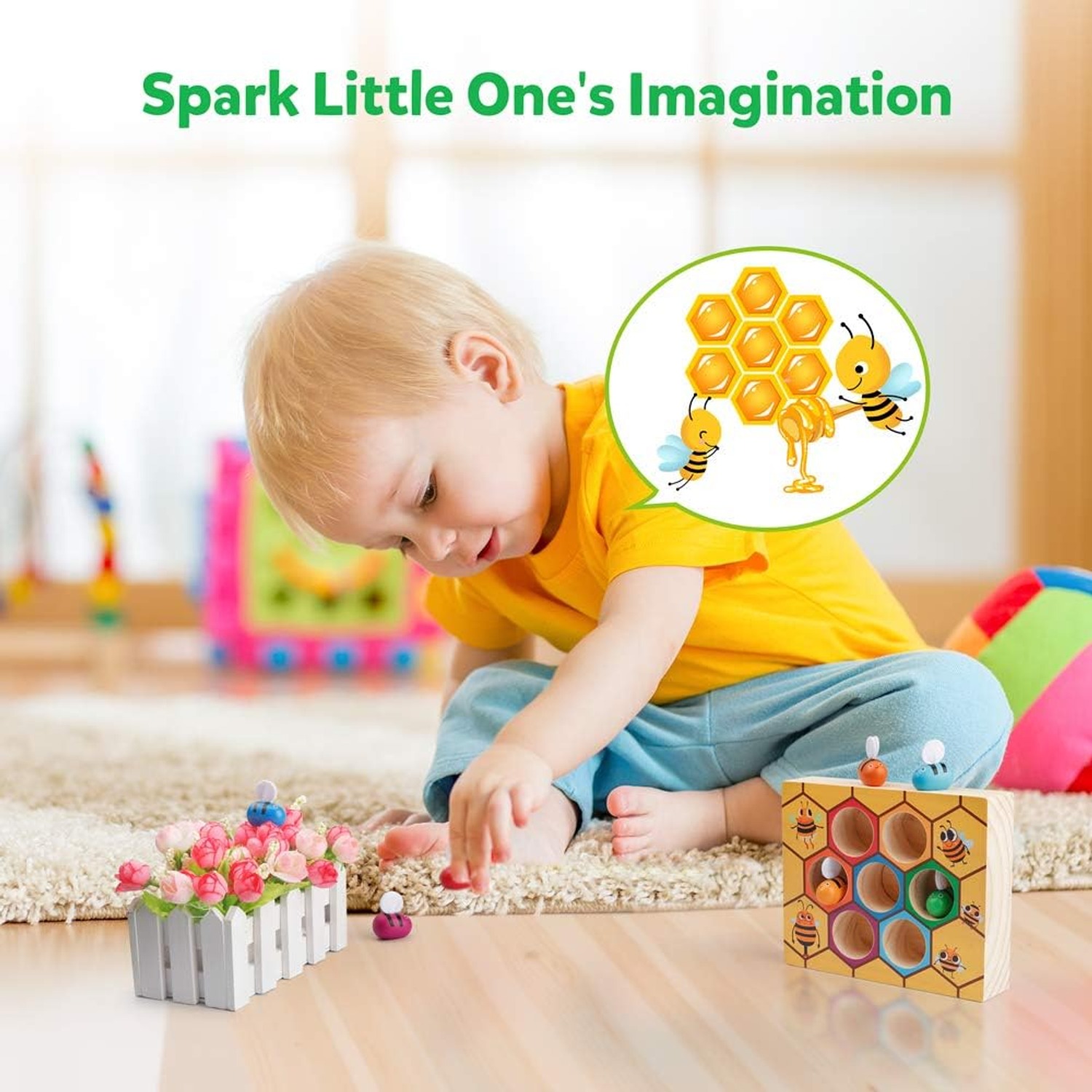
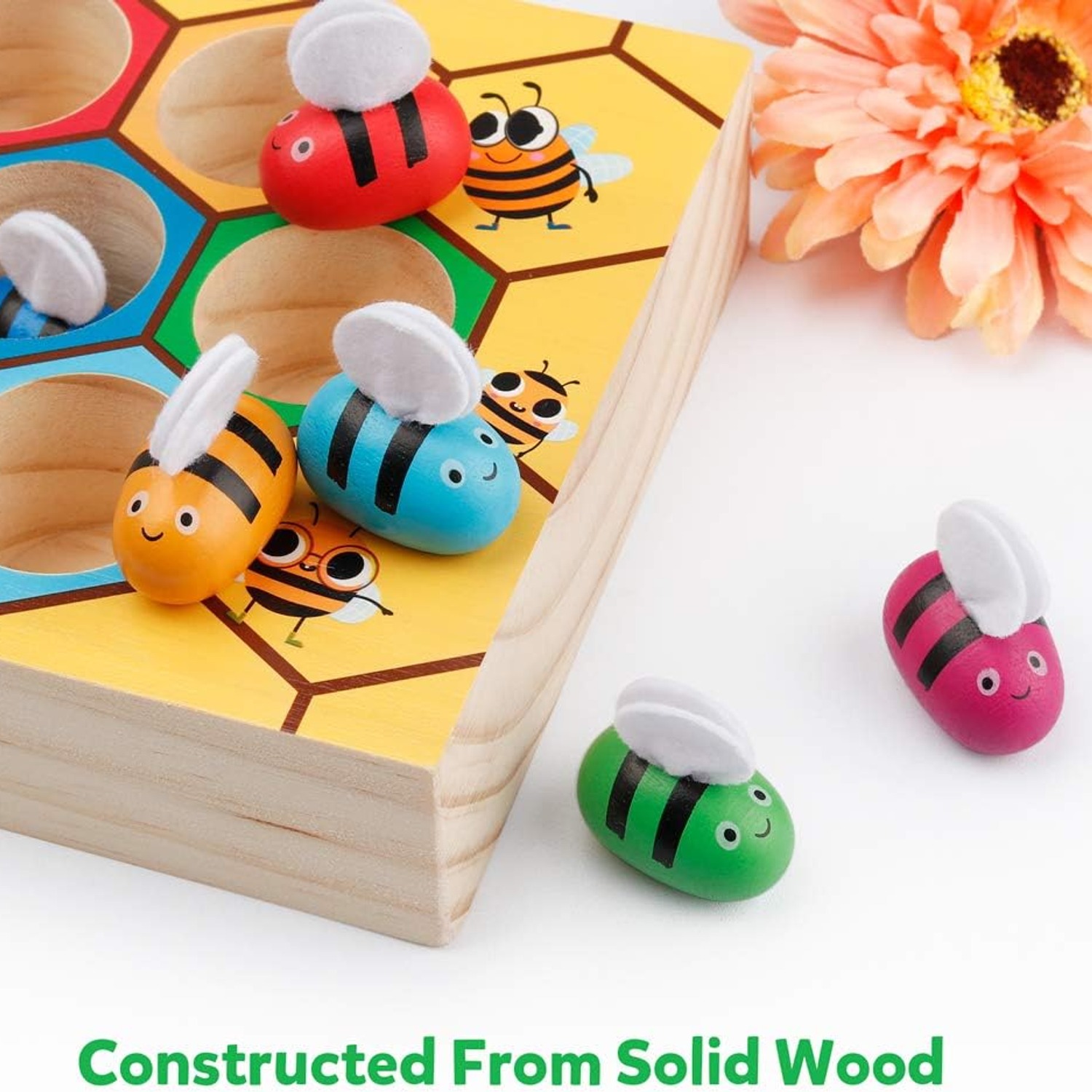
The Bee to Hive Sorting Game uses seven bees, a hive and tweezers to turn that question into a hands-on task. A child looks at a bee, finds the matching color and moves it into place. There is a visible goal, but no need to race towards it.
For a parent choosing an indoor learning toy, the main appeal is the activity itself. Children can practice looking closely and making careful movements while an adult sits nearby. The set also gives you a reason to talk about colors and count together.
How the bee matching activity works
Begin by putting the hive and bees on a clear, stable surface. Leave enough space for the child to see the pieces without reaching across other toys. You can demonstrate one match, then let the child choose which bee to try next.
The tweezers add another step. The child needs to open the tool, position it around a bee and squeeze enough to lift it. They then move towards the matching hive space and release. That sequence gives this fine motor skills toy a different feel from a puzzle completed only by hand.
A dropped bee does not need to interrupt the session. Allow the child to try again, or offer a little help if asked. The aim is repeated practice, not a perfect first attempt. Keep your instructions short so that the child has time to work out the movement.
What is included
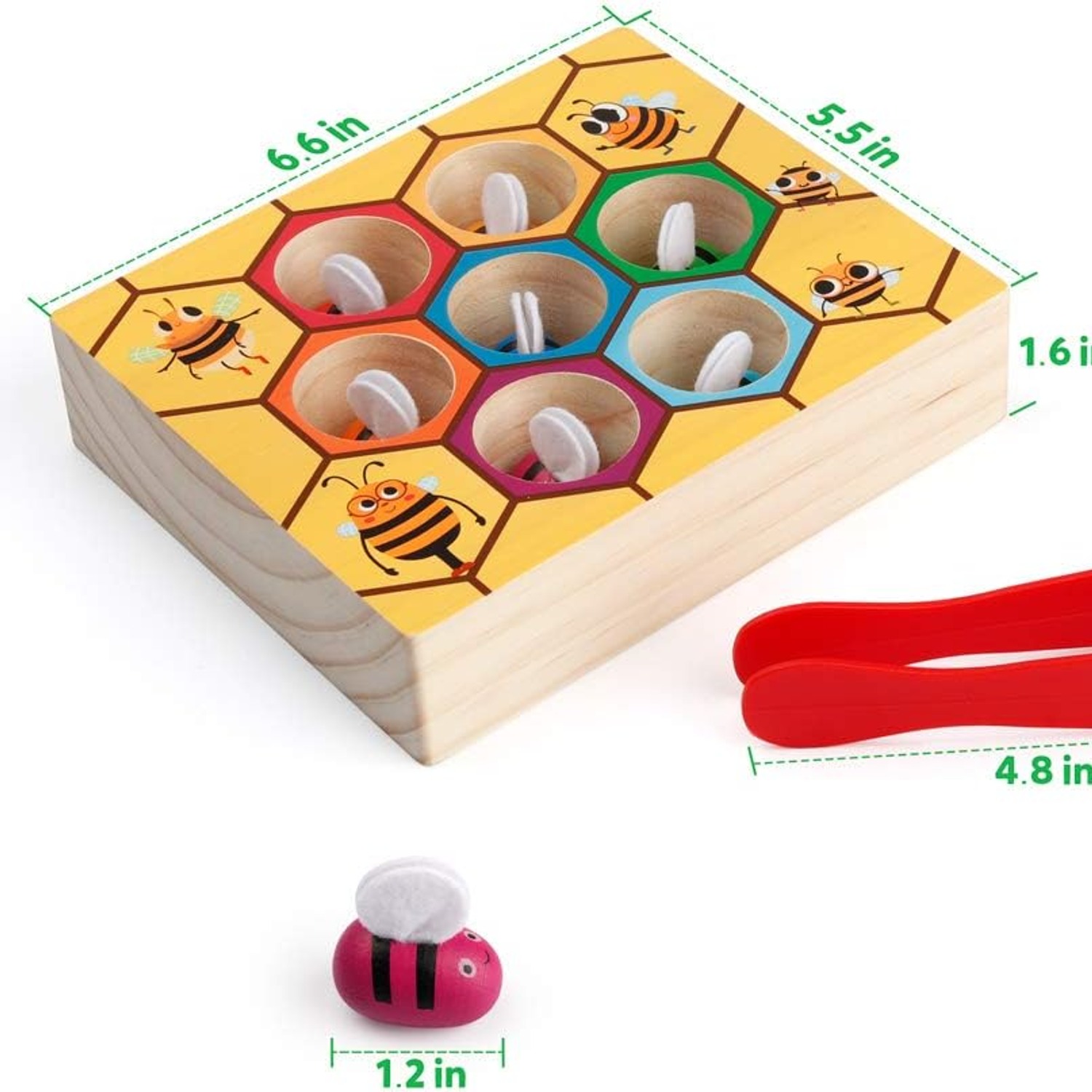
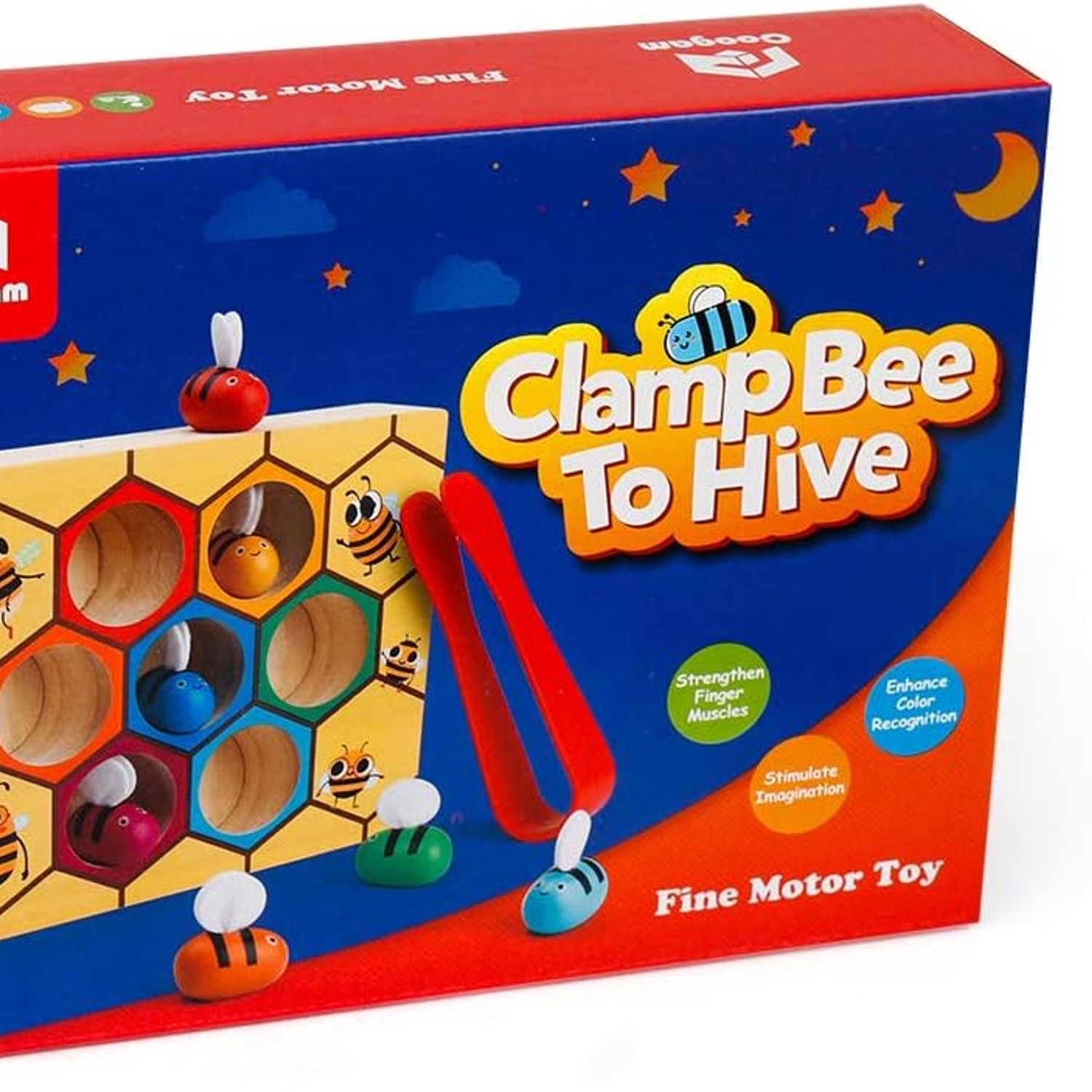
The listed set contains one hive, seven bees, a pair of tweezers and a storage box. No assembly is required. It is a manual toy, so there are no batteries to fit before play.
Those contents support a few different activities without needing extra equipment. You can focus on matching, ask for a particular color or count the bees as they return to the hive. The storage box provides a place to bring the parts back together afterwards.
The supplier details describe wood and seven colors. They do not identify the wood species, coating or material used for the tweezers. If those details affect your buying decision, ask for confirmation rather than assuming that all parts share the same construction.
Who this game may suit
The listed age range is three years and above. Within that range, interest and readiness still vary. One child may enjoy repeating a matching task, while another may prefer building or larger movements.
This wooden bee sorting toy may suit children who like sorting objects, naming colors or putting pieces into spaces. Watch how your child approaches similar activities. Do they enjoy looking for a match? Are they curious about simple tools? Those observations are more useful than expecting every child of the same age to enjoy the same game.
The supplier lists one player. That makes it a single player sorting game in terms of the task, but an adult can still sit alongside the child. You can demonstrate a movement, offer a word or simply watch while they work.
Keep the age guidance in mind
Use the stated three-plus age range as the starting point. Do not choose this set for a younger child based on supplier wording that suggests broad age suitability. Loose pieces and a handheld tool need care.
Adult supervision matters even when a child meets the listed age. Keep pieces away from the mouth, watch how the tweezers are used and put the set away when play ends. Younger siblings should not have access to loose bees left on a table or floor.
No safety certification details are supplied in this record. General claims in a listing do not establish that a toy meets a particular standard. Check the packaging and any supplied instructions, especially if you are buying for a childcare setting with specific requirements.
Choose a comfortable starting point
You do not have to introduce every part of the task at once. A first session might be about looking at the colors and matching a bee by hand. That gives the child a chance to understand where the pieces go before adding the tool.
When you introduce the tweezers, demonstrate slowly. Let the child see the opening and closing action before expecting them to lift a piece. If they find it difficult, reduce the task to one bee rather than asking them to complete the hive.
There is no need to set a time target. Short, willing attempts are a sensible starting point. If the child turns away or becomes upset, put the activity aside and try another day. A preschool color matching game should leave space for curiosity, not pressure to finish.
Add counting and conversation
Once matching feels familiar, the same pieces can support a bee counting activity. Count the bees before sorting them, or count each one as it goes into the hive. Begin with a small group if counting the full set is too much.
You can also ask simple questions about what the child sees. Try asking which bee they want next or where a particular color belongs. Give them time to point, speak or show you through their actions.
Avoid turning every move into a test. A brief comment can be enough to keep the conversation going. Naming a color as you pass a piece lets a child hear the word without having to answer on demand.
The listed learning objectives include language and sorting skills. These are opportunities for practice, not promises of a particular result or pace of development.
Check dimensions before ordering
Size is one detail worth checking carefully. The recorded item dimensions are 10 × 10 × 2 cm, and the listed weight is 410 g. However, the supplier description also contains different measurements for the hive and individual pieces.
Because those figures conflict, do not use the recorded dimensions as a precise guide to the full play area. If you need the wooden hive puzzle to fit a particular tray, cupboard or classroom shelf, confirm the measurements before ordering.
The same caution applies when judging the pieces from photos. Images can help explain the activity, but they are not a reliable scale reference. Ask for the measurements that matter to your use rather than guessing from the picture.
Think about the play setting
A clear indoor table or floor space gives the child room to sort without losing pieces among other toys. Choose somewhere an adult can stay close and where younger children will not reach into the activity.
For shared use, taking turns may be easier than having several children reach for the tweezers at once. One child can complete a match before passing the tool to the next. Keep expectations simple and adjust the session to the children involved.
If you are considering this Montessori sorting game for a preschool, check your setting's rules first. Cleaning needs, age policies and supervision arrangements may affect whether it is suitable. The Montessori-style description does not mean that a certification is supplied.
Care and storage between sessions
A wooden matching toy benefits from gentle surface care. Use a soft, slightly damp cloth when needed, then dry the pieces before putting them away. Avoid soaking them or placing them in a dishwasher.
Follow any manufacturer care instructions supplied with the set. The listing does not give detailed information about the finish, so avoid strong cleaners unless the manufacturer confirms they are suitable.
Before each session, check the pieces and tweezers for damage or wear. Set aside anything damaged rather than letting play continue with it. When finished, gather the bees and tool into the included storage box. A quick count can help you notice a missing piece before it gets left behind.
Buying it as a gift
If you are choosing an educational gift for three year olds, think about the recipient rather than the age label alone. Ask their caregiver whether they enjoy matching games and whether a supervised activity with loose pieces would be welcome.
This set offers a defined task rather than open-ended construction. That distinction can help you choose between it and other toys. A child who enjoys finding the right place for an object may respond differently from one who mainly wants to build tall structures or move around.
Before ordering, check the delivery estimate for the destination and read the current returns policy. A confirmed lead time and product-specific warranty are not provided in this record, so avoid planning around an assumed arrival date.
The short version
The bee game offers color matching, counting and tweezer practice in one manual indoor activity. It includes seven bees, a hive, tweezers and a storage box, with no assembly required.
Choose it for a child aged three or above who enjoys careful, hands-on tasks. Supervise play, confirm the size if it matters and keep the sessions relaxed. The useful part is not how quickly the hive gets filled. It is the chance to look, choose and try again.