Kids Playhouse Company
Shop by category
Company
T&Cs
Shop Online
  • Indoor play, outdoor play and learning toys
  • Free delivery on orders of $75 or more
  • Delivery in 7 to 10 days after handling
  • Secure checkout by card or PayPal

Wooden Shape Puzzle | First Shapes Puzzle | Baby Jumbo Knob Puzzle

Wooden Shape Puzzle

$25.99 $30.99 Save $5
3.2/5 Based on 1 company review
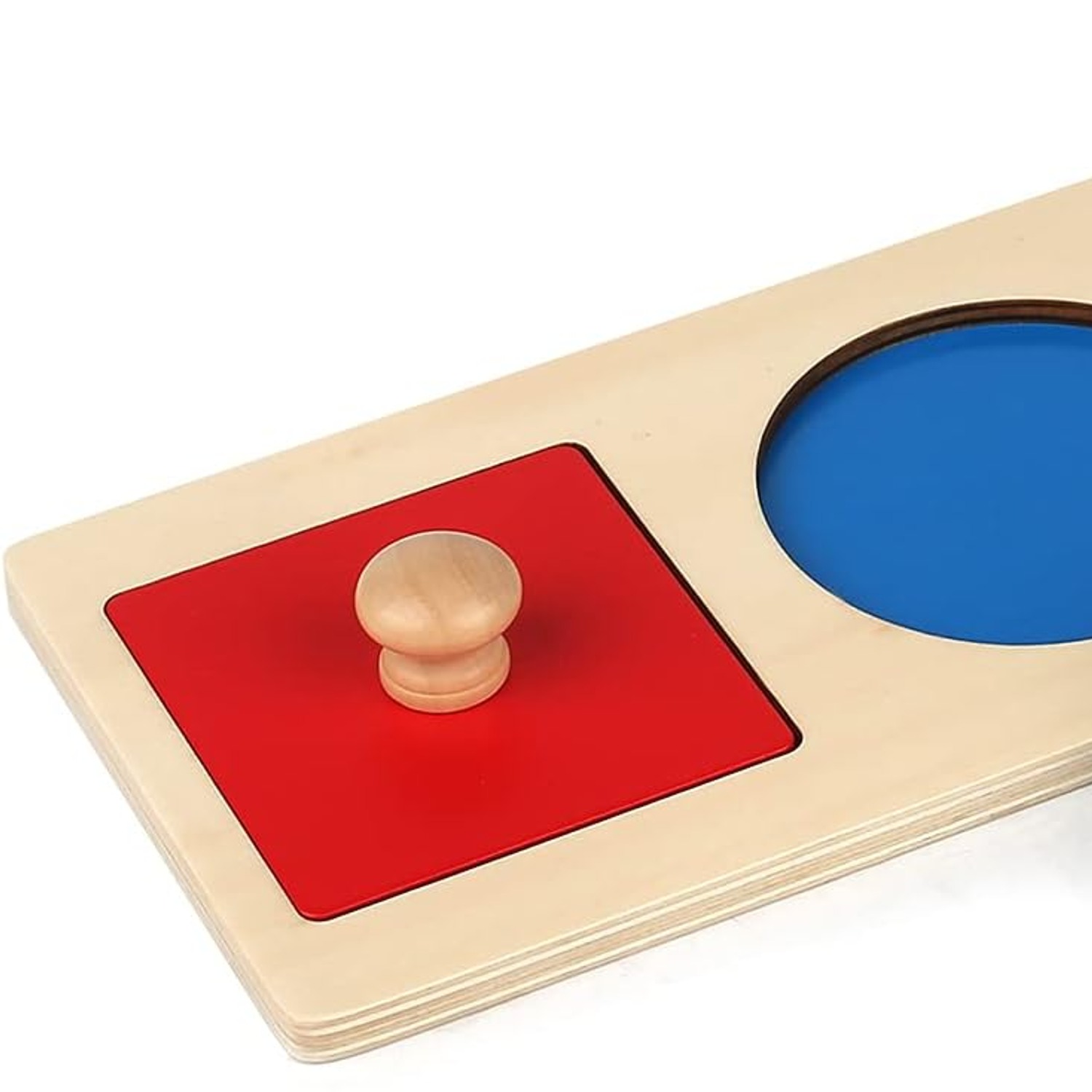
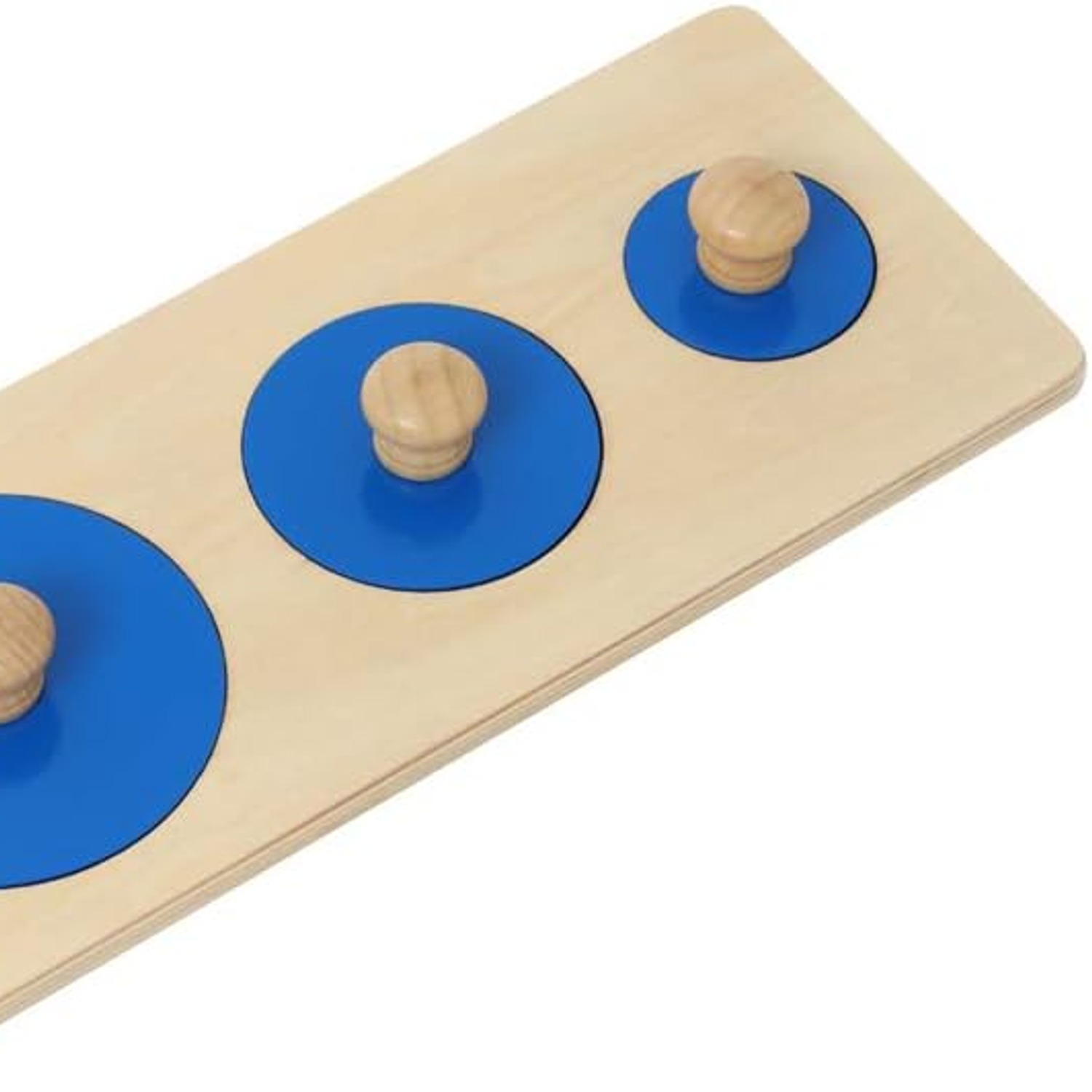
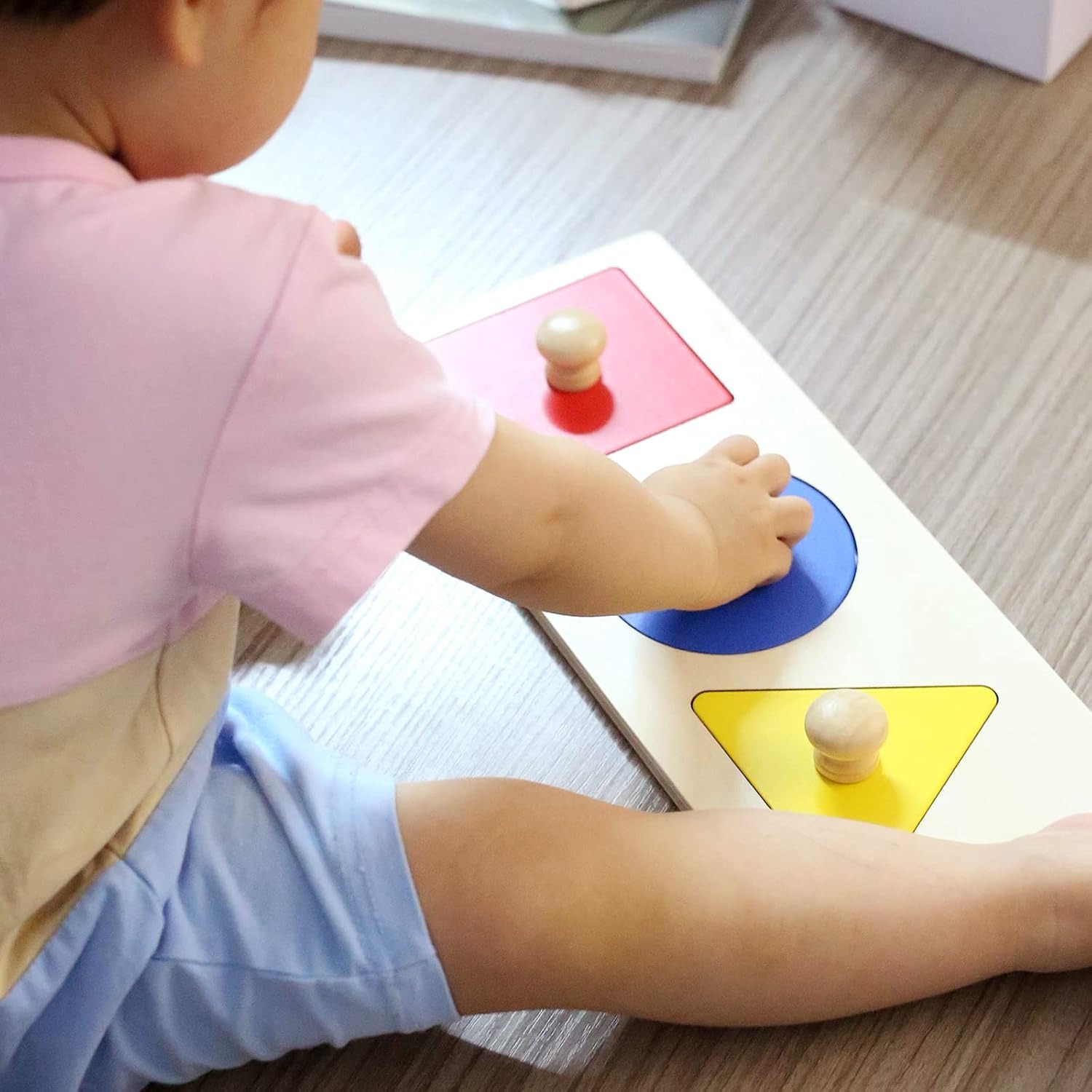
  • Three Familiar Shapes
  • Knob Grip Practice
  • Manual Play
  • Ready For Play

Price: $25.99 $30.99

  • Delivery time: 7 to 10 days after 24 to 48 hours of handling and processing
  • Free delivery across the US on orders $75+, otherwise a flat $22
  • Pay by card or PayPal, handled by the payment provider
  • Check the dimensions, contents and setup requirements before ordering. Our returns policy explains eligibility, time limits and applicable fees. Contact us if you need help choosing.

Product specifications
SetSingle Set
Included ComponentsMain unit
Number Of Packs1
Number Of Pieces3
ShapesCircle, triangle, and square
Puzzle TypeKnob and pegged
Material Listed In Product DetailsWood
Color Listed In Product DetailsColorful
Dimensions Listed In Product Details29.5 x 12.6 x 2.7 cm
Weight0.2 kg
Manufacturer Recommended Age6 months and up
Educational ObjectivesHand-eye coordination and motor skills
ThemeGeometric and colorful
Play LocationIndoor tabletop
OperationManual
Assembly RequiredNo
Weight0.2 kg
Shipping & returns

Tracked delivery anywhere in the US. It is free on orders of $75 or more, and a flat $22 below that. Allow 7 to 10 days, after a 24 to 48 hour handling time.

Returns may be requested within 15 days of delivery, subject to the published conditions. A 12.5% cancellation charge and a $29 deduction for specified change-of-mind returns may apply, along with return postage.

If your item arrives damaged, incomplete or different from your order, contact our support team promptly. Read the full policy before returning an item.

Shipping details · Refunds and returns

Three Familiar ShapesIntroduce circle, triangle, and square through hands-on matching.
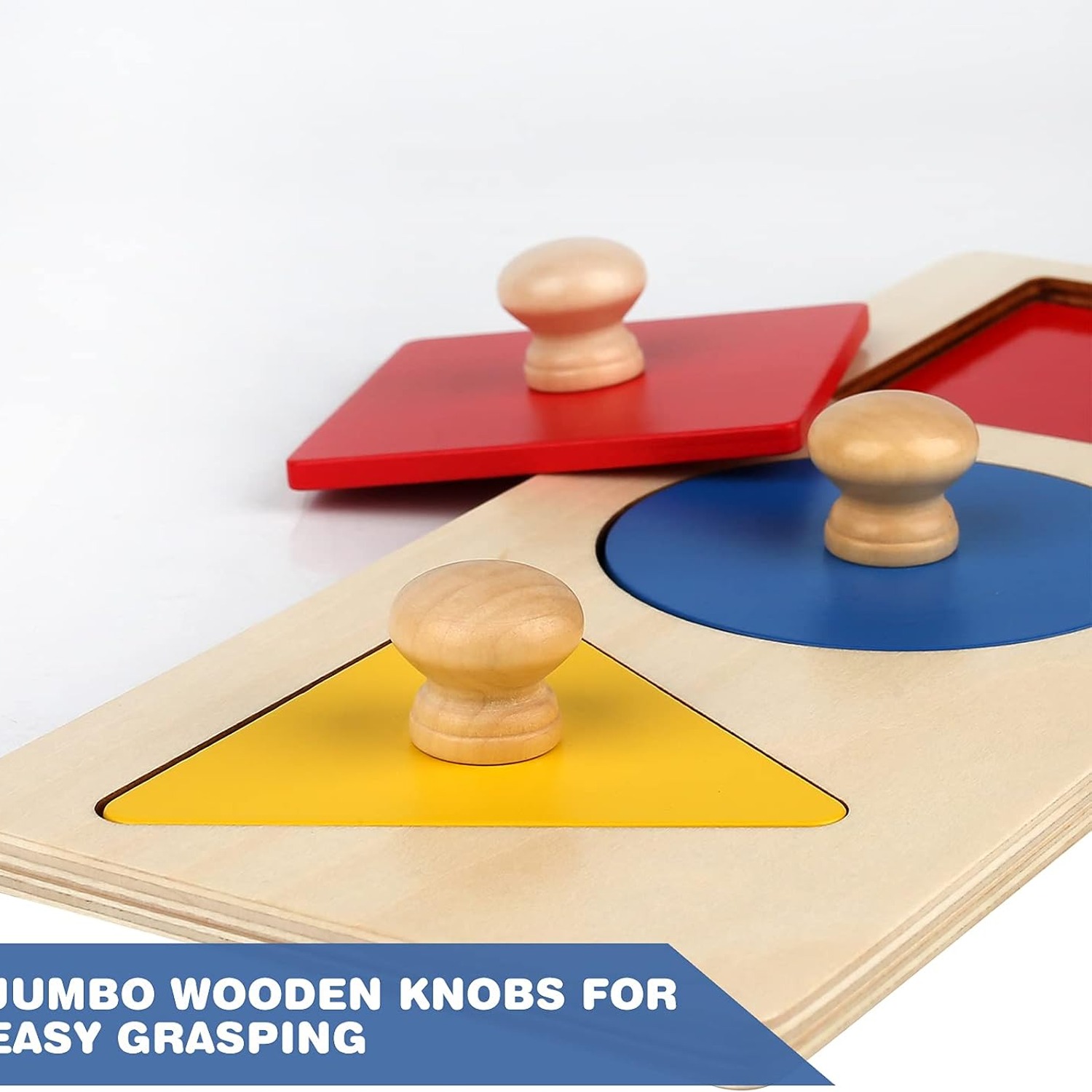
Knob Grip PracticeGive small hands a handle for lifting and placing each piece.
Manual PlayKeep the activity focused on looking, grasping, and trying again.
Ready For PlayNo assembly is required for this indoor tabletop puzzle.

Make room for small discoveries with a Wooden Shape Puzzle.

Three geometric pieces with graspable knobs give children a simple way to practice matching and hand control.

Give your child a simple matching task with three geometric puzzle pieces.

Knob handles offer a clear place to grasp when lifting and replacing shapes.

Colorful artwork adds visual interest to early shape play.

Manual tabletop play provides a chance to practice hand-eye coordination.

A single set with no assembly required makes setting up a shared activity straightforward.

Wooden Shape Puzzle

This wooden shape puzzle keeps the task small and clear. Three pieces introduce a circle, triangle, and square, giving children a chance to look at an outline and try matching a piece to its place. It is a simple starting point for shared shape play without a large pile of pieces.

Wooden Shape Puzzle

Each piece has a knob to hold while lifting, turning, and placing it. Those movements provide practice in hand control and hand-eye coordination. An adult can show one slow turn, then give the child time to explore rather than stepping in to finish the task.

Wooden Shape Puzzle

Colorful geometric artwork gives you something to talk about as you play. Name a shape, trace its edge together, or ask which opening might fit. Keep the conversation light and follow the child's interest, whether that means matching every piece or simply taking them out.

Wooden Shape Puzzle

The product details list wood construction, three pieces, and dimensions of 29.5 x 12.6 x 2.7 cm. The puzzle weighs 0.2 kg and is intended for indoor tabletop use. It operates manually and needs no assembly.

Wooden Shape Puzzle

The manufacturer's recommended age is 6 months and up, but age alone does not establish suitability for an individual child. Check the supplied instructions and warnings, supervise play, and inspect the parts and knobs regularly. Set it aside if anything becomes loose or damaged.

What do our customers say?

Feedback about the Kids Playhouse company across its regional stores.

3.2 Based on 1 reviews Trustpilot

Excerpt from 1 company-wide review. See the live profile on Trustpilot.

Not sure yet? That is fine.

Check the dimensions, contents and setup requirements before ordering. Our returns policy explains eligibility, time limits and applicable fees. Contact us if you need help choosing.

Frequently Asked Questions

What is this wooden shape puzzle?

It is a three-piece knob puzzle. Children lift the geometric pieces and try to match them to their spaces.

Which shapes are included?

The listed shapes are a circle, triangle, and square. These give you a small set of outlines to explore during shared play.

How does the puzzle work?

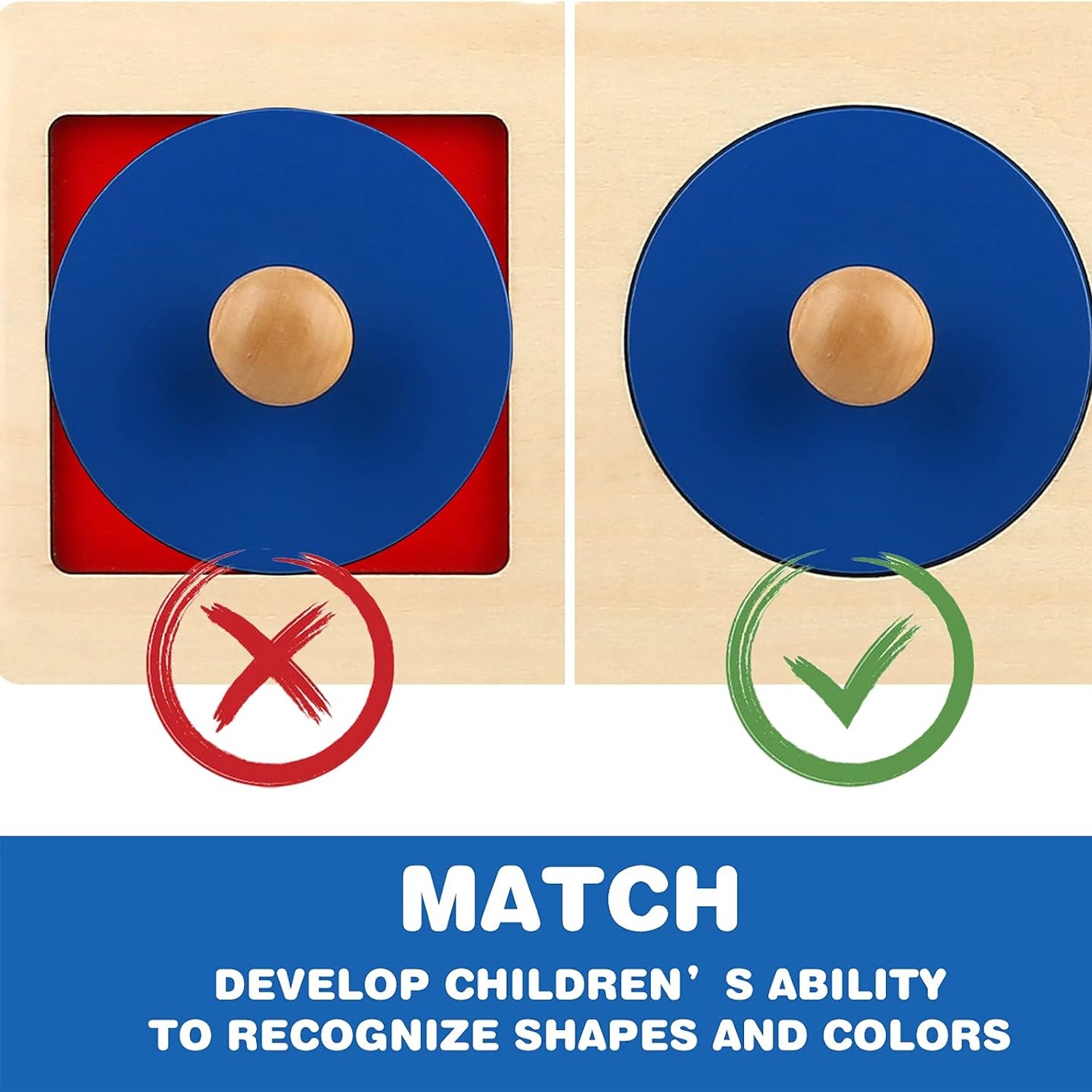
A child grasps a knob, lifts a piece, and tries placing it back in the matching space. Turning a piece can be part of finding the right fit.

What age is it recommended for?

The manufacturer lists 6 months and up. Check the supplied age guidance and warnings, and consider the child's current abilities before offering it.

Does a baby need supervision with this puzzle?

Yes, supervise play and check every part before use. Put the puzzle away if a knob or piece is loose or damaged.

What is the puzzle made from?

The product details list wood as the material. The wood species and finish composition are not specified.

What size is the puzzle?

The product details list overall dimensions of 29.5 x 12.6 x 2.7 cm. Individual piece and knob measurements are not given.

How much does it weigh?

The listed weight is 0.2 kg. Consider its dimensions as well as its weight when choosing a storage spot or carrying bag.

How many pieces does it have?

The listing gives a count of three puzzle pieces. It describes one single set, with the main unit included.

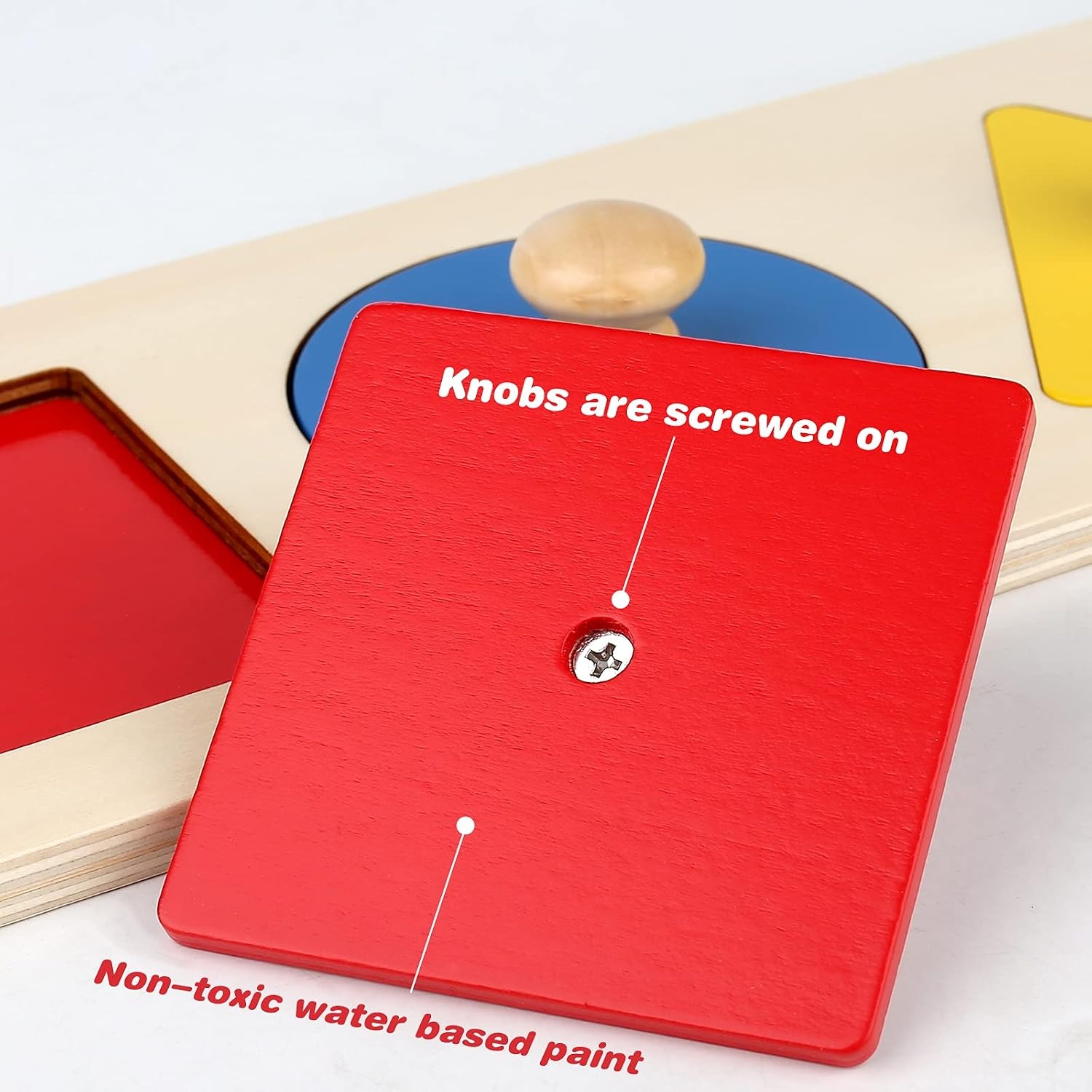
Are the knobs attached?

The supplier describes the knobs as screwed on. Check that each attachment is secure before play and stop use if one loosens.

Does it need assembly?

No assembly is listed as required. Inspect the puzzle and read any enclosed instructions before the first use.

Does it need batteries?

The listed operation mode is manual. The activity involves moving the pieces by hand rather than powered functions.

What skills can children practice?

The listed learning objectives are hand-eye coordination and motor skills. This fine motor puzzle also gives you a practical way to talk about shapes while playing.

Is it a Montessori puzzle?

It is offered in the Montessori toys category and can be used as a Montessori style puzzle for simple hands-on matching. No formal Montessori endorsement is specified.

Is it a useful first wooden puzzle?

Its three-piece format keeps the number of choices small. Suitability still depends on the child, the supplied warnings, and close adult supervision.

Can toddlers use it?

A toddler shape puzzle can suit a child who enjoys lifting and matching pieces. This model is listed for 6 months and up, but check the child's readiness and the instructions.

Can it be used in a classroom?

The supplier describes use at home and in early childhood settings. Follow your setting's toy safety, supervision, and cleaning rules before introducing it.

Is this an outdoor toy?

The listed use is indoors on a tabletop. Keep it dry and store it indoors after play.

How do I introduce the activity?

Put the puzzle on a stable surface and demonstrate lifting and replacing one piece. Pause so the child has time to try without needing to copy you straight away.

What if my child cannot match the pieces yet?

Start with one piece and leave its matching space visible. Lifting, holding, and looking can be useful parts of the activity before successful matching.

Can it help introduce color words?

The listing describes colorful artwork and a geometric theme. You can name the colors you see, although the exact color selection is not specified in the record.

How should I clean the puzzle?

Use a soft, lightly damp cloth and dry it promptly. Do not soak the wood, and follow any cleaning instructions supplied with the item.

Can this baby shape puzzle be used as a teether?

The record describes a puzzle, not a teether. Do not assume it is intended for chewing, and follow the supplied warnings if your child mouths toys.

How should it be stored?

Keep the board and pieces together in a dry indoor spot. Check that all pieces are accounted for when putting it away.

Is it portable?

The product details describe it as portable and list a weight of 0.2 kg. Check the overall measurements against your bag and keep the loose pieces together.

Would it make a suitable gift?

It may suit a child who enjoys a hands-on shape matching toy. Ask the caregiver about age suitability and existing toys before choosing it.

When will my order arrive?

A delivery lead time is not specified in this product record. Check the delivery estimate shown for your address before placing an order.

What warranty is listed?

The supplier states a 30-day manufacturer warranty for defects caused during production or delivery, with replacement or refund offered. Confirm the applicable terms and claim process with the store before purchase.

What should I do if it arrives damaged?

Do not give a damaged puzzle to a child. Contact the store with your order details and photographs so the available return or warranty options can be checked.

What if it is not right for my child?

Stop using it if it does not suit your child's needs or stage of play. Check the store's current returns policy and contact the store before sending it back.

Choosing a First Wooden Shape Puzzle

6 min read Kids Playhouse Company

A first puzzle should give a child something clear to try. Too many pieces can make it hard to see where to begin, while a task that is too easy may soon lose its appeal. A small shape puzzle offers a middle ground, with a few pieces to lift, study, and put back.

The Wooden Shape Puzzle has three geometric pieces with knobs. Its circle, triangle, and square make a simple matching activity for shared indoor play. The aim does not have to be a finished board. For a child just starting out, picking up a piece and noticing the space beneath it may be enough.

What a three-piece puzzle offers

A three piece puzzle limits the number of choices in front of a child. That can make it easier for an adult to show the task without a long explanation. Lift one piece, set it beside the board, then place it back slowly.

Each shape offers something different to notice. A circle has a curved edge, while a triangle and square have corners. You can talk about these differences in everyday words as the child explores.

There is no need to turn each session into a lesson. Let the child remove the pieces, look at them, and try their own approach. A first shapes puzzle can be a shared activity even when none of the shapes ends up in the right place.

How the knobs change the task

On a wooden knob puzzle, the handle gives the child a clear place to grasp. Instead of trying to lift a flat edge, they can reach for the knob and pull upward. Replacing a piece then involves looking at the space and guiding the hand toward it.

The supplier describes this model's knobs as screwed on. That is a construction detail, not a reason to skip checks. Before each session, make sure the pieces and attachments are secure. Set the puzzle aside if anything is loose, cracked, or damaged.

The record does not give knob measurements or individual piece sizes. If those details are important for your child, ask for them before buying. The phrase “baby jumbo knob puzzle” should not take the place of checking actual measurements and supplied safety guidance.

Matching involves more than knowing a shape name

A child may recognize a triangle but still find it hard to place the piece. They need to look at the outline, turn their hand, and lower the shape in the right position. These are separate parts of the task.

That is why a hand eye coordination toy can be useful without a child knowing any shape words. They can work on the movement first. Naming can come through calm conversation alongside play.

Try giving a small hint rather than moving the child's hand. You might point to an empty space or slowly turn a spare piece yourself. Then pause. Time to think and try is part of the activity, not a gap that needs filling.

Age guidance and individual readiness

The manufacturer recommends this puzzle for ages 6 months and up. Treat that as the listed starting guidance, not a promise that every child at that age will use it in the same way. Read the instructions and warnings that arrive with the product.

A younger child may mainly reach, grasp, and remove pieces. Another child may enjoy matching all the shapes or naming them as they go. Choose the activity around what your child is doing now rather than what you feel they should be doing.

Supervise play closely. If a child often chews toys, do not assume a wooden puzzle is a teether. The record does not specify that use, nor does it give the finish composition. Keep the activity within the product's intended purpose and follow its warnings.

Check the size against your space

The product details list dimensions of 29.5 x 12.6 x 2.7 cm and a weight of 0.2 kg. Use those measurements to check the space where you plan to play and store it.

A stable indoor surface helps keep attention on the pieces rather than a moving board. Clear away nearby clutter so the child can see the empty spaces. Stay close enough to help without crowding their hands.

The listing describes the puzzle as portable. If you plan to take it to another home, think about how you will carry the pieces together. A puzzle is less useful at your destination if one shape has stayed behind under a chair.

What the material details do and do not tell you

The product details identify the material as wood and describe colorful artwork. They do not name the wood species or give the coating composition. Country of origin is also not specified in this record.

These limits matter when comparing an early learning puzzle with another option. “Wooden” tells you the broad material type, but it does not answer every question about care or suitability.

If you need particular material information, get a clear answer before ordering. Do not infer a finish type or a testing result from a photograph. It is better to know which details are missing than to fill them in with an assumption.

A simple way to begin

For a first session, leave two pieces in the board and place one nearby. Show the empty space and let the child explore. With fewer loose pieces, it may be easier to see the link between a shape and its opening.

If the child seems interested, take out another piece. If they turn away or become upset, put the puzzle aside and return to it another time. There is no need to complete the board before stopping.

You can also follow the child's actions. If they keep lifting the circle, talk about that piece rather than asking them to try everything. A geometric shape puzzle offers several possible conversations, but one small discovery can hold a whole session.

Keep shape and color talk natural

Use short, clear words while playing. “This is the square” or “That edge is round” connects language to something the child can see and touch. Leave room for their response, whether it is a word, a look, or another attempt.

The colorful design also gives you a way to introduce color words. Name what you can see on the actual puzzle rather than expecting a fixed color lesson. The record does not specify a complete color set.

Avoid asking question after question. A circle triangle square puzzle can quickly feel like a test if every move needs an answer. A few comments and plenty of quiet trying time often make for a more relaxed shared activity.

Choosing between simple and more complex puzzles

When comparing a toddler shape puzzle with a larger set, think about the task rather than just the piece count. Does your child enjoy taking things out? Are they beginning to match outlines? Do they already finish similar puzzles with ease?

This model offers three shapes and a knob-and-pegged format. It may be worth considering when you want a small number of pieces and a clear matching task. A child seeking many pieces or a detailed picture may want a different type of puzzle.

The best wooden peg puzzle for your home is one that suits your child's current interest and can be used with the right supervision. A more difficult puzzle is not automatically a better choice.

Using it at home or in a learning setting

The supplier describes use at home and in early childhood settings. At home, it can be offered as a short tabletop learning toy activity with an adult nearby. No assembly is required, so the main preparation is inspection and choosing a clear play space.

In a shared setting, follow local toy rules and your setting's cleaning procedures. Check the pieces between users and keep the set complete. The record does not provide a specialist sanitising method.

A Montessori style puzzle can support a simple show-and-try routine, but the category does not establish formal endorsement. Focus on the practical activity: a child sees a task, watches a brief example, and has time to attempt it.

Care that fits a wooden puzzle

Wipe the puzzle with a soft, lightly damp cloth, then dry it promptly. Avoid soaking wooden parts or putting them in a dishwasher. Follow any more specific care instructions included with the item.

Check the edges and knob attachments while cleaning. If a piece feels rough, cracked, or loose, stop use rather than trying to continue the session. Keep damaged parts away from children.

Store the puzzle dry indoors, with its pieces together. A quick count at tidy-up time helps you notice a missing shape before the next session. It also gives you a chance to check the set again.

The short version

This first wooden puzzle offers three geometric shapes, knob handles, and a manual matching task. It needs no assembly and is listed for indoor tabletop play, with a manufacturer age recommendation of 6 months and up.

Choose it for the activity it offers, not for promises about faster learning. Check the size, read the supplied warnings, and supervise every session. Then give your child time to lift, turn, and try. The useful part is the practice, not how quickly the last piece goes in.

Browse the shop

A simple place to start?

Check the age guidance, listed size, and your child's interest in matching before choosing this three-piece puzzle.

Ask us a question

Page summary

The Three-Piece Wooden Shape Puzzle is a manual knob-and-pegged puzzle for indoor tabletop play. It contains circle, triangle, and square pieces with graspable knobs and colorful geometric artwork. The product details list wood, a weight of 0.2 kg, and dimensions of 29.5 x 12.6 x 2.7 cm. No assembly is required. Listed educational objectives are hand-eye coordination and motor skills. The manufacturer recommends ages 6 months and up. The listing describes a single set with the main unit included. Wood species, finish composition, individual piece measurements, and country of origin are not specified in this record. Adult supervision and regular checks of the pieces and knobs are advised.